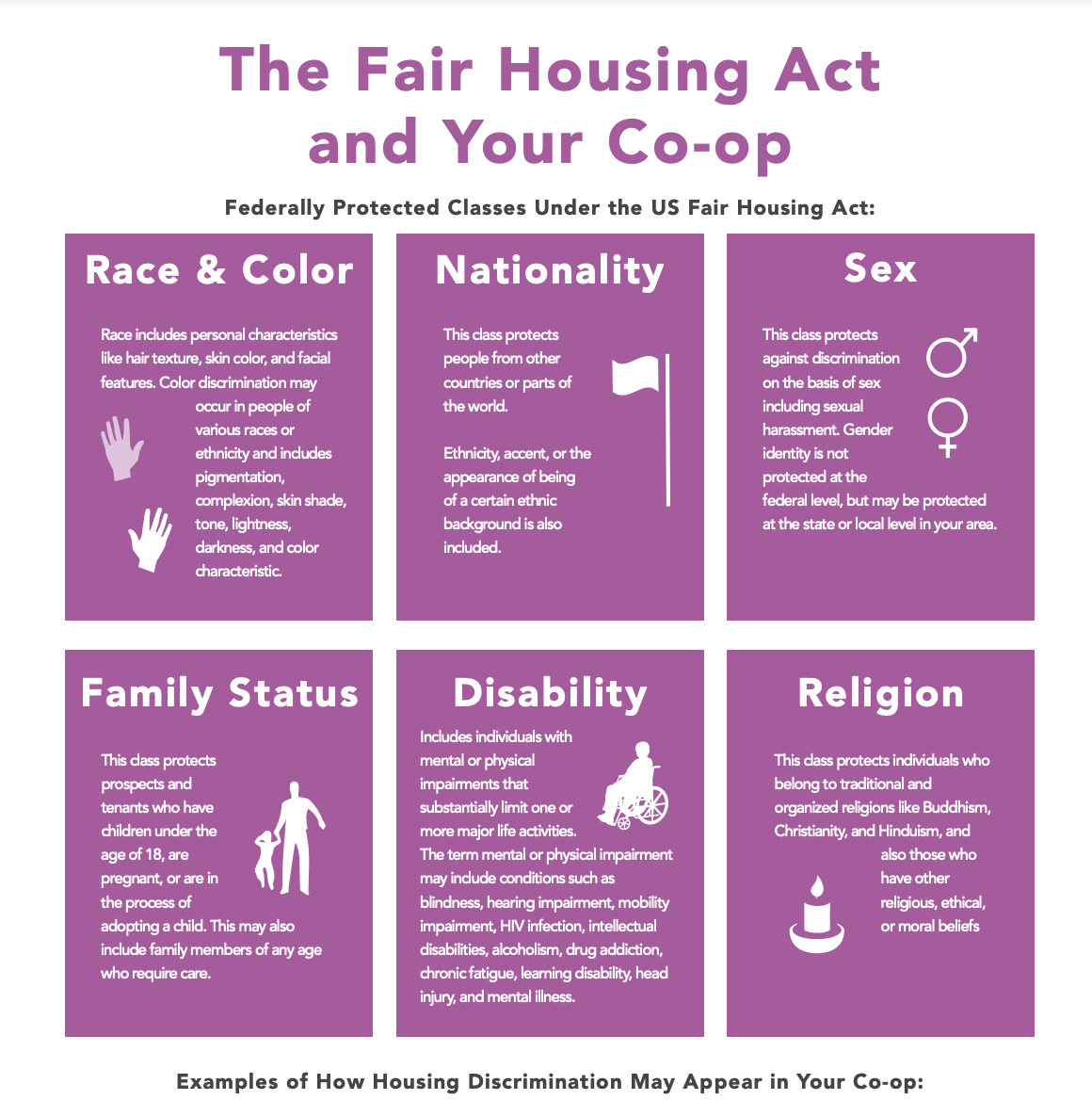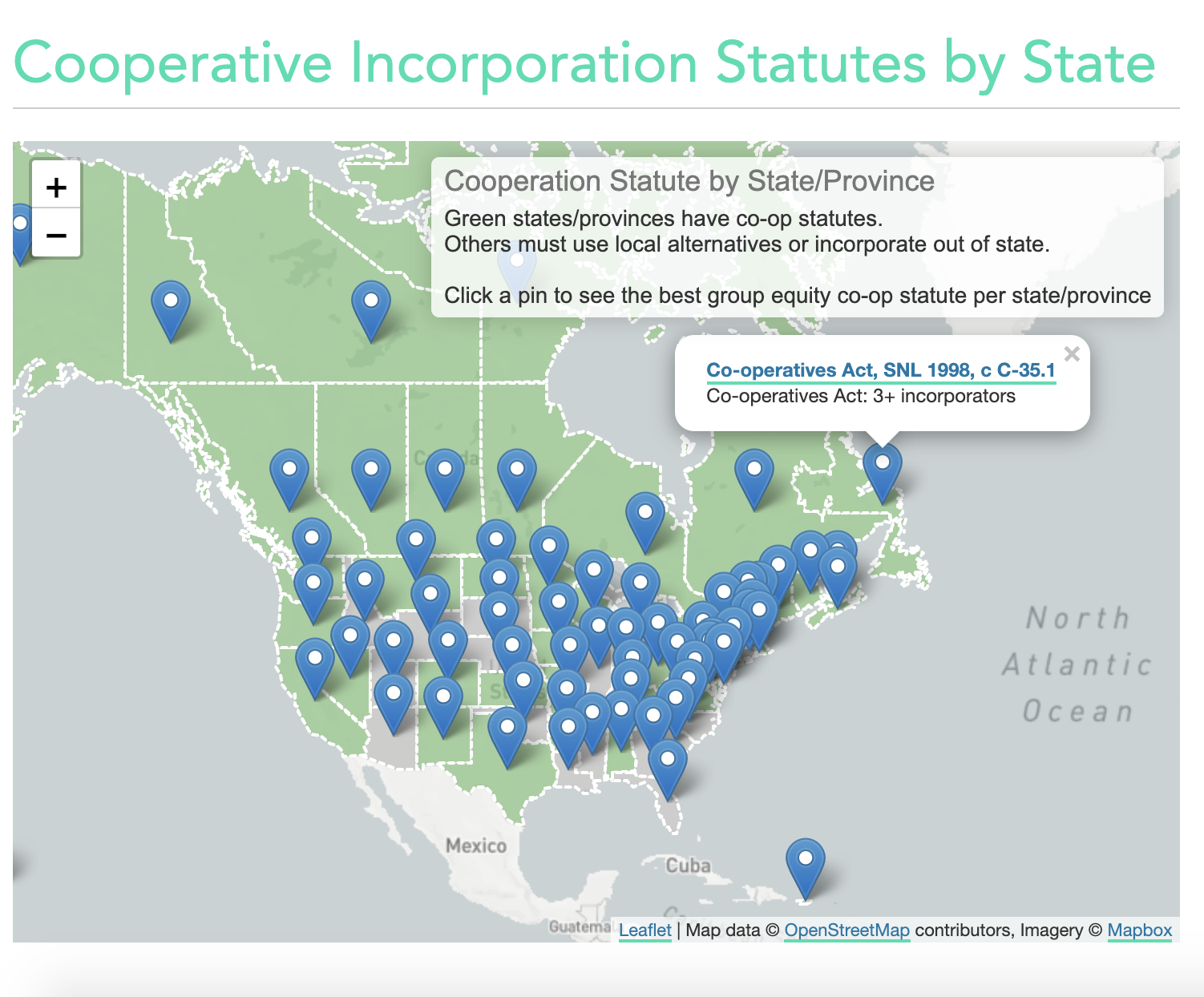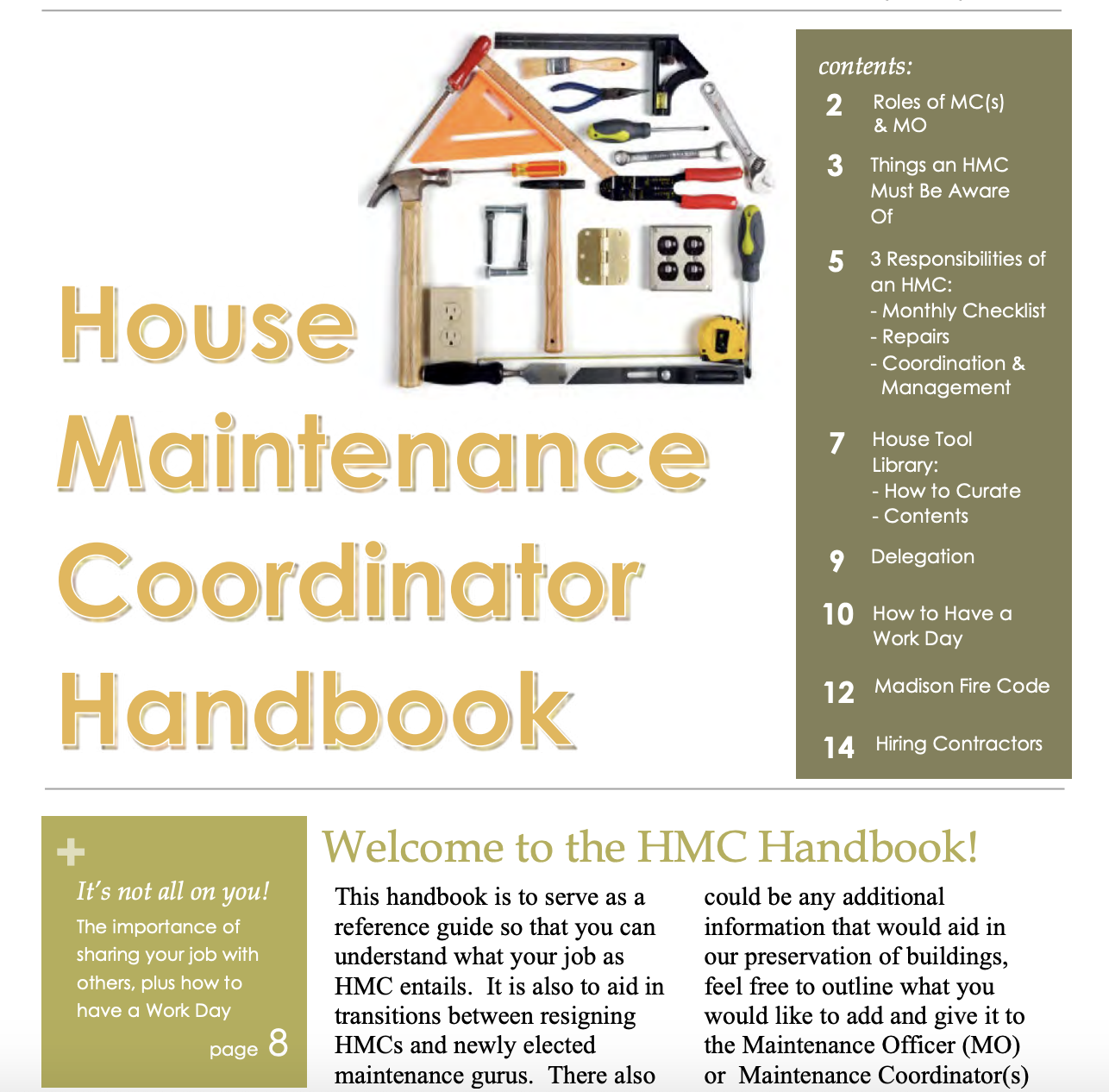
One of the most valuable assets of the cooperative movement is our collective knowledge. Our Shared Resource Library, a constantly growing collection of documents and files, is a tool for sharing that knowledge.
Highlighted Resources
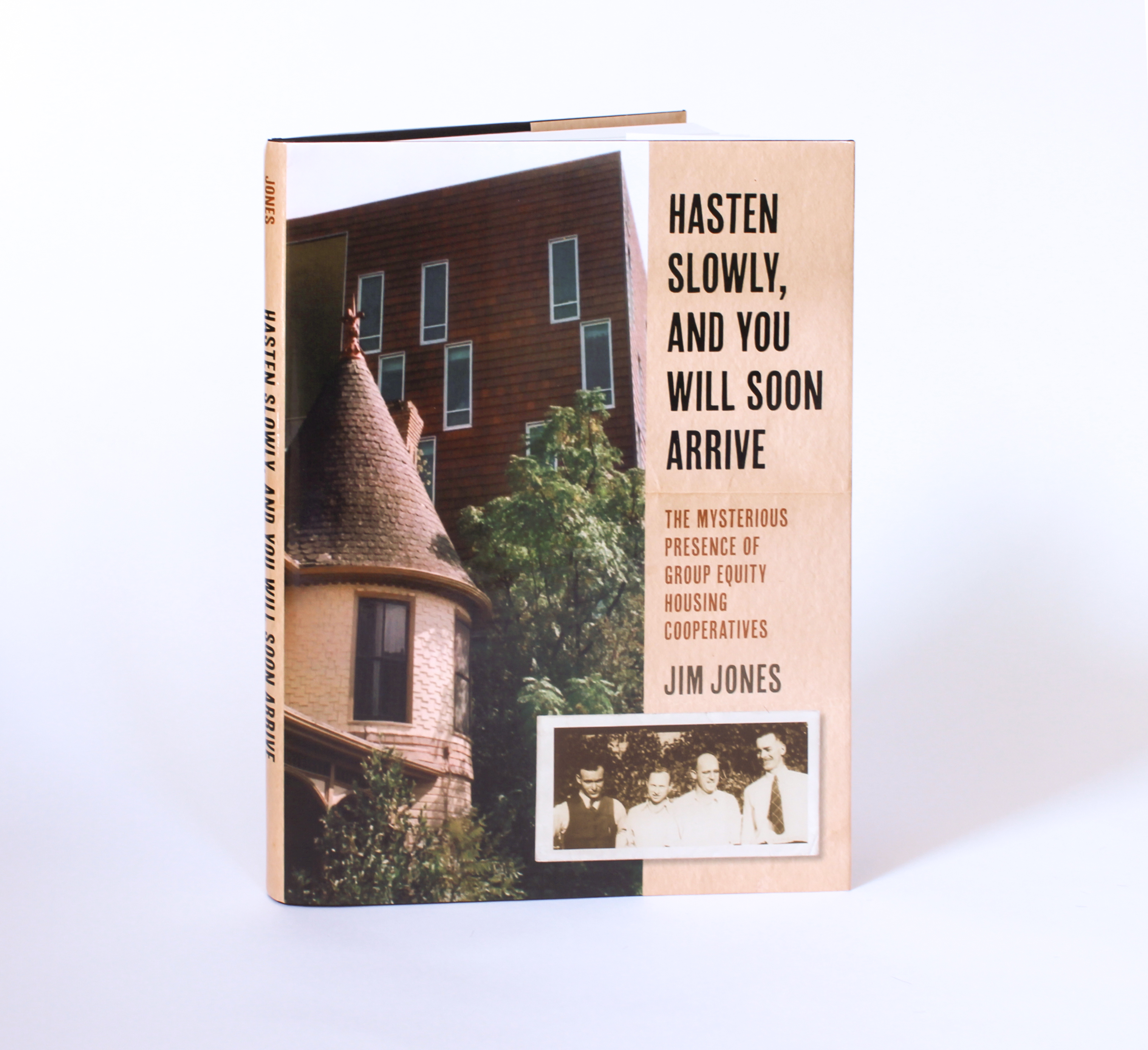
One of the most valuable assets of the cooperative movement is our collective knowledge. Our Shared Resource Library, a constantly growing collection of documents and files, is a tool for sharing that knowledge.
In co-ops, we often pride ourselves on being inclusive and equitable—but what happens when harm shows up in the form of a joke, a question, or an everyday comment?
This session invites cooperative members to reckon with microaggressions as real structural cracks within our supposedly safe spaces. Drawing from personal experience navigating coded bias, racialized communication, and deflection within cooperative housing, the session will unpack how "small" slights carry big consequences—especially for marginalized members.
Together, we'll explore:
Most co-ops strive to be places of care, community, and consensus, but even in co-ops, boundary crossings happen. How do we handle them in a way that prioritizes safety while treating everyone with fairness and respect? How can we create cultures where consent is so normal that major incidents are rare? We want to hear what happens in your co-ops, cross-pollinate ideas, and share our experience running non-punitive Consent Teams that provide communities with education, emotional support, and mediation.
What does it mean to be a “nonprofit”? What are the benefits and drawbacks of 501c3 status and other tax exemptions for co-ops? Is it worth it? We will discuss the systems of nonprofit incorporation, federal tax exemption, and local tax exemptions. We will also cover the 501c3 application (IRS Form 1023) in detail.
When do cooperatives work well together, and when do they run into problems? This session uses real stories to explore how co-ops can build stronger networks—and what happens when good intentions hit democratic roadblocks.
We'll dig into the activities that make cooperative federations thrive, like shared buying power, pooled resources, joint advocacy, and member education. But we'll also look at the flip side—times when democratic decision-making led to crippling paralysis.
Cooperatives exist in a liminal space within American capitalist socio-economic structures. Externally, hierarchy is seen as a norm and standard to uphold. Internally, strong democratic currents demand individual accountability and participation. Staff can be stuck in the middle, relying on structures familiar to external partners in order to generate relationships while at the same time ensuring the mission and culture of the cooperative is maintained to member standards.
This collaborative roundtable session engages the principles of solidarity, collectivity, and shared power and equity across mutual aid groups and community cooperatives. Building on lineages of resistance, the facilitators will co-create a discussion of the celebrations and challenges in futurework. This includes knowledge and skill sharing practices in food sovereignty, direct action, and consensus building, etc. and organizing within and beyond the nonprofit industrial complex.
In times of instability, building intentional and inclusive community spaces becomes more critical than ever. Drawing from lived experiences in education, community organizing, and civic engagement, this session explores how cooperatives can use intersectionality, call-in practices, and safer space frameworks to create sustainable and just housing ecosystems. We will examine practical strategies for navigating conflict, centering marginalized voices, and fostering accountability while maintaining compassion.
“Co-ops are practical, not perfect” and as an entity, they can often get caught up with an expectation to be a utopian alternative to capitalist structures. Through a discussion of learned experiences, this session aims at providing an honest lens into managing collective work and lateral power, creating systems that empower cooperative workers in ways that make every individual feel heard, while keeping the expectations of what it means to be in a cooperative realistic, restorative, and hopeful.
Grants can be a powerful tool for growing your cooperative, but jumping into the world of fundraising without the right preparation can lead to frustration and wasted time. In this session, you'll learn how to assess whether your co-op is ready to apply for grants, what foundational materials and systems you'll need in place, and how to start the grant-seeking process with confidence. We'll also explore how to identify funders who are aligned with cooperative values and how to spot red flags when they aren’t.